
How to Win in Arena of Survival
Turn solid loot and resource control into consistent last-player-standing finishes.
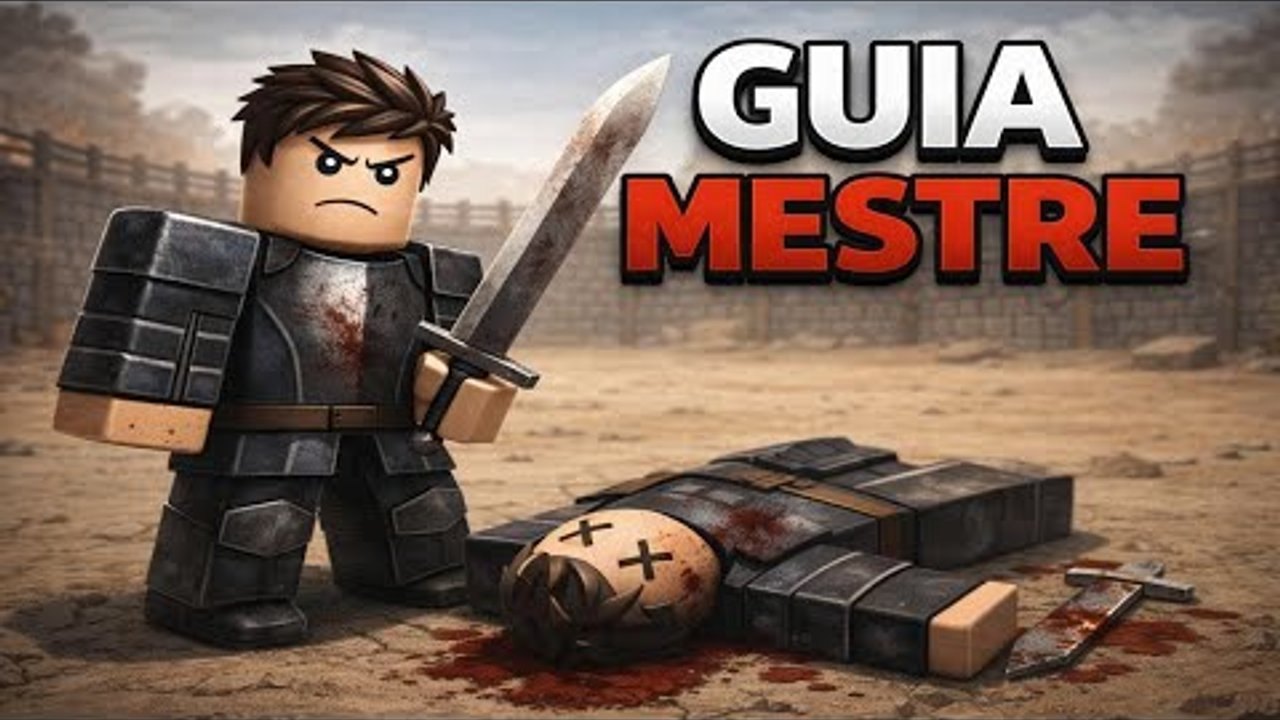
Winning Arena of Survival means being the last tribute alive among roughly twenty-four players while disasters and barriers collapse the sandbox. This guide assumes you already know the basics from Getting Started and can execute binds from Controls. Here the focus is decision quality: where to land, when to fight, how to spend perk power, and how to close the final circle without thirsting out.
The win condition, restated
Kills help, but they are not the scoreboard. Surviving with health, hunger, thirst, and a workable weapon when everyone else is dead is the scoreboard. Players who greed every gunfight often place top five with empty bottles and no food. Players who rotate early, third-party selectively, and keep bars stable place first more often. Cross-check gear quality on Weapons and map routes on Maps while you practice these habits.
Opening: win the first two minutes without ego
Land on a route that guarantees melee plus food plus water. Knife, bread, and water remain the classic strong start. Punching works; Brawler makes fists scarier later. Spears and bows create first-blood opportunities against looters who never look up. Avoid suicidal contested centers until you know the lobby density—after Quarry-era changes, center loot is less of a free win anyway, so edge competence beats mid panic.
If two other tributes land on you, disengage toward unchecked buildings instead of forcing a 1v2 with fists. Inventory discipline matters immediately: drop junk, keep throwable space, and never sort in the open. Details live on Loot and Inventory.
Mid-game: convert loot into map control
Mid-game is where most “almost wins” die. Your checklist:
- Resource buffer — Carry spare food and a water plan. Empty bottles need refills; Survivalist helps while you hold an empty bottle, but you still must walk to water.
- Audio discipline — Footsteps tell you whether to hold, leave, or third-party.
- Disaster respect — When the arena signals a disaster, move on the first cue. Read Disasters so floods, storms, and other threats feel scheduled instead of surprising.
- Barrier foresight — Barriers close in ways that trap greedy looters. Leave with time to spare, especially on sprawling Forest, Swamp, or Ruined City layouts.
- Fight selection — Take fights when you have better weapons, better bars, or a third-party angle. Skip fights when you are thirsty or cornered against a closing edge.
Throwables shine mid-game. A spear or bow lets you chip a player before committing to knife range. The flail (Summer addition) and katana (gamepass path) change duel math—know what you are walking into via Weapons instead of learning in the final four.
Combat framework that wins lobbies
- Block first in fair melees. Version 2.0 emphasized blocking, status effects, inventory rework, and hitboxes. Players who ignore F (or the controller/mobile block control) lose trades they should win. Refresh Controls if blocking is not muscle memory.
- Crouch and camera for interior peeks; shift lock for orbiting knife fights.
- Third-party after two players have already spent health and throwables. Arrive from a side angle, not the same staircase both are watching.
- Reset when your hunger or thirst is critical. A weak reset into food beats a heroic death.
- Do not tunnel animals unless you intend to fight them. Animal Lover only keeps animals peaceful if you leave them alone.
Perk and progression thinking
Perks are long-term multipliers. Pick tools that match your deaths:
- Dying thirsty → prioritize water awareness (Survivalist synergy with empty bottles).
- Losing fist scrambles → Brawler.
- Constant animal problems → Animal Lover, remembering the ignore-them rule.
- Soft aim or loadout gaps → evaluate gamepass routes such as katana without assuming they replace fundamentals.
Rank options on Perks and revisit after patches on Updates and Version 2.0. Codes from the Codes Hub can accelerate cosmetics or rewards, but they do not replace fight timing.
Endgame: the last eight to one
When the lobby is thin, play the circle, not the highlight.
- Sit on high-information ground—angles that see rotates on Island cliffs, Mountain ridges, or Quarry rims without exposing your back.
- Keep thirst and hunger off the danger line before the final storm pressure.
- Hold a throwable for the player who sprints at you with only melee.
- Force opponents into disasters or barrier edges whenever the map allows; let the environment spend their health.
- In a fair 1v1, win the block timing war, then commit. In a 1v2, stall for separation or environmental help instead of standing between both.
Secret maps and less common biomes (Arctic, Jungle, Swamp) punish players who only memorized one Grassland route. Keep Maps open between sessions until callouts feel natural.
Mindset mistakes that cost crowns
- Counting kills instead of resources.
- Ignoring disasters because “I still have fifty health.”
- Sorting inventory in the open during the final circle.
- Challenging every footstep for content instead of placing first.
- Assuming katana or flail users are unbeatable—positioning and chip damage still matter.
- Forgetting empty bottles need water after you spam drinks.
Drills to raise win rate
Resource drill: Play a match where you refuse fights until you have spare food and a refill plan. Rotate drill: On the first disaster cue, move immediately even if a chest is mid-open. Third-party drill: Only take fights that already started without you. Block drill: In every melee, land one successful block before your third swing. Review deaths honestly—if thirst or storms killed you, reread Loot and Inventory and Disasters before blaming ping.
Loadout snapshots (flexible, not dogma)
- New player closer: Knife or equivalent melee, bread, water, one spear.
- Mid skill: Strong melee, bow or spear, spare food, bottle with refill plan, awareness of flail matchups.
- Perk-assisted: Survivalist for water consistency, Brawler if you still finish fights with fists, Animal Lover only if you will not provoke wildlife.
Always adapt to the map pool listed under Maps and the live patch notes under Updates.
Where to go next
Return to the Guides Hub after each session and patch one weakness. Use Players for community references, Tools for helpers, Scripts only for tooling discussion, and Wiki for a flat index. Winning is a habit stack: early loot discipline, mid-game rotates, endgame patience. Stack those three and the last-player badge stops feeling random.
Frequently Asked Questions
Quick answers for Arena of Survival players.
What is the fastest way to raise win rate in Arena of Survival?
Stop dying to thirst, hunger, and disasters. Secure food and water every match, rotate on the first disaster cue, and only take fights with an advantage.
Should I always hot drop the center for best loot?
No. After Quarry-era changes, center loot is less generous. Consistent edge routes with knife, bread, and water beat repeated early deaths.
When should I take a fight?
When your weapon, health, and resource bars are better, or when you can third-party a fight already in progress. Skip fights when you are cornered or dehydrated.
Do perks matter more than aim?
Perks multiply good habits; they do not replace blocking, inventory management, or disaster rotates. Fix fundamentals first, then optimize with the Perks tier list.